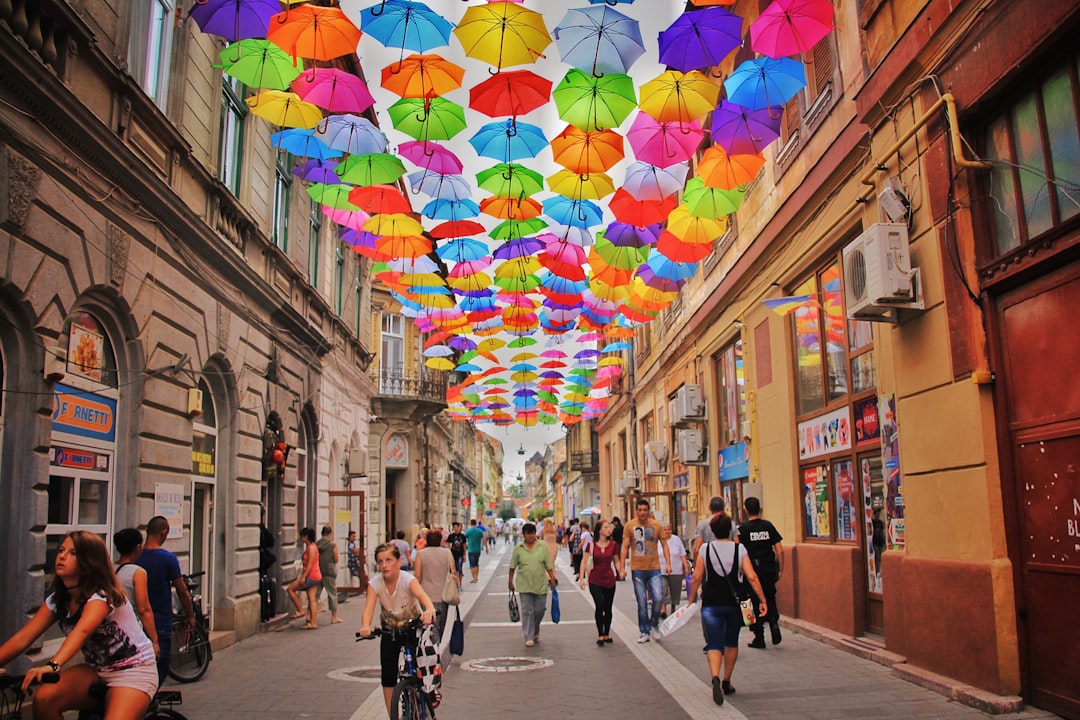
Transporting Heritage: Navigating Your Way to Local Festivals
Plan festival travel that connects deeply with local heritage—practical steps for transport, bookings, food, and immersive cultural experiences.
Local festivals are public libraries of a place’s living heritage: music, food, rituals, marketplaces, and ephemeral performances you can’t replicate in a guidebook. This definitive guide teaches you how to plan travel around local festivals and cultural experiences so you arrive prepared, connected, and ready to take part without missing the moments that matter. We’ll cover research, transport, logistics, authenticity, community etiquette, itinerary building, safety, and ways to deepen your engagement with local culture while making bookings efficient and cost-transparent.
1. Why Festivals Deserve a Central Spot in Your Travel Plans
Festivals as living heritage
Festivals are not just entertainment: they are compressed time capsules where centuries of traditions are performed in a few hours or days. Participating in a local festival gives context to museums and monuments. You’ll see the symbolism behind costumes and rituals come alive — why gold appears in procession banners or what specific songs mean to a community. For an example of how symbolism shows up across cultures, consider how The Symbolism of Gold functions in many rituals and markets; understanding that background makes every procession more meaningful (the symbolism of gold).
Why timing matters more than destination
Traveling to a city during its signature festival can transform a weekend into an immersive cultural exchange. Savvy travelers schedule trips by date, not just destination. That sometimes means choosing shoulder-season travel to avoid crowds, or deliberately targeting the event dates to experience a parade, open-air concert, or night market. If you need ideas for short, restorative festival trips, our piece on microcations shows how brief stays can deliver deep cultural returns.
Economic and community impacts
Festivals inject money into local economies and spotlight artisans, performers, and small businesses. Visiting markets during festivals supports local makers and gives you better souvenir choices — read how marketplaces revitalize artisan economies in our Adelaide’s Marketplace guide. Planning with awareness of local benefits helps you be a responsible traveler who contributes rather than extracts.
2. Research: Which Festival Fits Your Travel Goals?
Identify festival types and what they offer
Festivals vary: religious processions, harvest fairs, music festivals, film festivals, culinary weeks, and artisan markets. Decide if you want large spectacles (stadium or city-wide) or intimate village rituals. For music-focused travelers, local concerts and indigenous music series offer a direct cultural bridge — see how local music connects communities and shapes a destination’s identity.
Calendar and weather alignment
Find official festival calendars (municipal tourism boards, cultural center sites) and overlay them with climate data. If a festival falls in monsoon season, you’ll need waterproof planning; for cruise-based festival travel, check our weather strategies: how to navigate rainy days at sea. Consider alternate dates or cancellation policies if weather risks are high.
Filter by accessibility, family-friendliness, and pet policies
Some festivals are family-friendly with children’s programming and quiet zones; others are late-night or require age restrictions. If you travel with children or pets, check suitability in advance — our family-travel advice on navigating family dynamics and the overview of dog-friendly cities can help you choose events that work for your group.
3. Booking Transport: Strategies for Festival Crowds
Transport planning is a decisive factor in how much of a festival you can enjoy. Successful festival travel synchronizes arrival and departure windows with the event’s schedule so you’re not rushed or stranded.
Choose the right mode: train, bus, flight, car, bike, or ferry
Each transport mode has trade-offs: trains and buses are eco-friendlier and often drop you close to central venues, while cars give flexibility for remote rituals and early-morning site visits. For seaside festivals, ferries or cruise legs can be magical but need contingency plans for bad weather. Use a combined approach for the best outcome.
Comparison table: Best transport by festival type
| Transport | Best for | Pros | Cons |
|---|---|---|---|
| Train | Urban music, parades | Reliable, central stations, less parking stress | Can be crowded; sold-out trains |
| Bus/Coach | Regional festivals and site-to-site shuttles | Cost-effective, festival shuttles often run | Longer travel time; fixed schedule |
| Rental Car | Rural rituals, multi-site tours | Flexibility and luggage space | Parking scarcity, local driving norms |
| Bike/Walking | Small town festivals, markets | Immersive, eco-friendly, easy parking | Weather dependent; limited range |
| Ferry/Cruise | Coastal cultural celebrations | Unique vantage points, combined travel+stay | Weather risk; schedule inflexibility |
Booking tips and seat reservations
Reserve trains and flights early — festival dates sell out fast. When planning cruise-adjacent festival travel, read our weather-ready advice at weather-proof your cruise to build buffer days. For drivers, pre-book parking or use park-and-ride shuttles to avoid the stress of congested towns.
4. Accommodation & Logistics: Be Near the Action Without Sacrificing Comfort
Where to stay: proximity vs. price
Staying within walking distance maximizes your festival time, but costs spike during events. Consider staying in a nearby neighborhood or town and commuting; sometimes a short bike ride or bus puts you ahead of central crowds. If food is your focus, lodging near markets or culinary districts will make morning taste-tours easier — see culinary destinations' rise such as Missouri's culinary renaissance for examples of food-led travel planning.
Alternative lodging: homestays, guesthouses, and short-term rentals
Homestays often come with insider tips from hosts who may have family ties to the festival. Short-term rentals give kitchen access if you want to prepare meals, easing costs during long festivals. If you prioritize local voices, this is the fastest way to deepen connections.
Logistics: storage, mobility, and rest
Pack a daypack and use luggage storage services if you arrive before check-in. Check whether festival venues provide accessible routes or quiet spaces. For families, check curated family-friendly recaps such as event highlights and family moments to set expectations for what to bring and where to rest.
5. Build an Itinerary That Respects Local Rhythms
Block scheduling: how to structure a festival day
Create blocks such as Morning (market & food), Midday (workshops & museum), Late Afternoon (parade & performance), Evening (dinner & music). This keeps your energy sustainable and helps you book timed entries or workshops. Use time buffer blocks for spontaneous discoveries or to recover from transit delays.
Mix the spectacle with small interactions
Balance headline acts with neighborhood experiences: a big parade or concert and a smaller community workshop or artisan stall. Market visits are priceless for tasting local specialties — learn how menu pricing works so you can budget tastes wisely in our piece on understanding menu pricing.
Layer in pre- and post-festival days
Arrive at least one day before the main event to scout viewpoints and establish a local rhythm. Stay one day after to visit quieter related sites or meet performers who host small community events. If time is short, microcations can be impactful; revisit microcation strategies for efficient planning.
6. Deepening Local Connection: Experiences That Go Beyond Spectating
Workshops, volunteering, and participatory events
Participatory activities—dance lessons, craft workshops, or volunteer shifts—provide context and relationships. Seek programs hosted by cultural centers or community trusts rather than purely commercial pop-ups. The difference between onstage spectacle and offstage craft practice is huge; read about performance's ripple effects in From Onstage to Offstage.
Meet makers: markets and artisan trails
Markets are festival microcosms. Use marketplace guides to target authentic craftspeople and ethical purchases — our local artisans guide explains how to approach stalls and what to ask: Adelaide’s Marketplace. Bring cash, but also ask about production practices and provenance to build conversation and trust.
Music, storytelling, and oral histories
Music often narrates local history. Use curated listening recommendations and local concerts to decode how place and sound connect — our feature on local music highlights how songs bind communities: Songs of the Wilderness. Attend smaller house concerts or community sessions to meet musicians and hear stories not on stage.
7. Food, Markets, and Culinary Engagement
Plan tastings like a pro
Festivals spotlight food traditions. Build a tasting itinerary: early morning bakery visits, midday street snacks, and a signature festival meal. If you’re passionate about culinary media, pair your live tastings with shows and guides; our cuisine-centric viewing list can prime you on what to look for.
Street food safety and etiquette
Choose stalls with high turnover and observe hygiene practices. Ask locals which vendors are trusted; many regional food cultures have family-run stalls that maintain consistent quality. Tip appropriately and ask what dishes are local specialties to support small vendors.
When cuisine drives destination choice
If food is the primary draw, choose festivals in culinary hotspots. Case study: Missouri’s culinary growth has shifted travel demand toward local tasting festivals — a model you can replicate elsewhere by aligning your festival choices with recognized food destinations (why Missouri is becoming the next food capital).
8. Packing, Dressing, and Festival Dress Codes
What to wear (and why it matters)
Comfort and cultural sensitivity guide wardrobe choices. Some festivals encourage specific colors or modest dress; others are casual. If you’re attending a performance or ceremony, understanding local dress traditions enhances respect. For practical tips on choosing event-appropriate clothing, see our guide to jeans and event attire: Event Day Denim.
Packing for crowds and variable weather
Pack light layers, a rain shell, comfortable shoes, and a compact daypack. Include a small first aid kit, refillable water bottle, and portable phone power. Festival days are long; prioritize items that keep you present and active.
Respectful accessories and gifts
Small, thoughtful gifts for hosts or local guides can open doors. When selecting items to present to community members, prefer things that reflect an understanding of local values rather than generic souvenirs. Learn about how craft and presentation matter by reading about artisanal display and craft curation in artisanal lighting and display trends — the visual presentation of objects is often a culturally meaningful practice.
9. Safety, Etiquette, and Responsible Engagement
Respect local rules and sacred spaces
Not all parts of a festival are for tourists. Observe signage, ask before photographing people in ritual contexts, and avoid touching ceremonial objects unless invited. Learning a few local phrases or gestures shows respect and often results in warmer receptions.
Crowd safety and personal security
Large gatherings can be disorienting. Agree on meeting points with your group, carry digital and physical copies of important documents, and keep valuables secured. If traveling with family, plan for child-friendly solutions and quiet respite areas — see family-focused event recaps that highlight calm spaces in family-friendly event highlights.
Sustainable and ethical participation
Avoid single-use plastics, respect waste disposal guidelines, and buy local. Your attendance should leave a small footprint and a positive economic pulse. Community-building tactics such as shared spaces and neighborhood initiatives (similar to how local sheds foster community) are models of respectful engagement: fostering community.
10. After the Festival: Reflection, Follow-Up, and Sharing Respectfully
Reflect and document ethically
Document your experience with context notes: who you met, what you learned, and credits for performers and makers. If you publish photos or posts, tag local organizers and performers and avoid monetizing images without permission.
Keep relationships alive
Follow local artisans and musicians on social channels, or buy directly from their online shops. When possible, recommend their work to future travelers or book a follow-up workshop. Resources on how performers transition between stage and craft offstage provide insights into how your support matters (From Onstage to Offstage).
Turn festival learning into future plans
Use what you learned to plan deeper heritage travel: seek smaller community festivals, volunteer with cultural preservation groups, or design an itinerary that maps festivals to seasons. If music stayed with you, explore jazz and local players for a different travel theme (trade secrets: jazz players).
Pro Tip: Block at least 25% of your festival days for unplanned experiences—conversations, pop-up shows, and local tavern recommendations are often your trip’s highlights.
Practical Case Study: A 4-Day Festival-Focused Itinerary
Day 0 – Arrival and orientation
Arrive one day early. Use the afternoon to visit an artisans’ market and pick up a map; markets are the pulse of festival logistics and seasonal goods. If you prefer curated market experiences, our Adelaide marketplace guide shows how to prioritize stalls: Adelaide’s Marketplace.
Day 1 – Market and workshops
Spend the morning at a market, join a midday workshop, and save the evening for a community concert. Use local food insights to choose vendors; refer to menu-pricing basics before splurging on signature meals (dine better).
Day 2 – Main event and community follow-ups
Attend the headline parade or performance. Then, track down artists or vendors you liked to ask about craft techniques or upcoming shows. If music captured you, find intimate sessions profiling local musicians (Songs of the Wilderness).
Resources and Further Reading
Festival travel intersects with food, music, family planning, and community building. Explore these related resources across topics like culinary travel, performing arts, and short-break planning: our curated library includes pieces on culinary capitals, artisan marketplaces, community-building projects, and arts coverage. For culinary travel inspiration, read about food destinations and media tie-ins: cuisine-centric viewing and why Missouri is becoming a food capital. For cultural context about large public attractions, review our evaluation of cultural impacts in theme parks: evaluating the cultural impact of theme parks.
FAQ: Your top 5 festival-travel questions answered
Q1: How far in advance should I book travel and accommodation for a major festival?
A: For major festivals, book flights and trains 3–6 months ahead and accommodation at least 2–4 months ahead. Smaller, niche festivals may allow shorter lead times but still benefit from early booking, especially for workshop spots and guided tours.
Q2: What’s the best way to avoid crowds but still experience the festival atmosphere?
A: Attend early-morning market sessions, smaller satellite events, or weekday programming. Focus on peripheral neighborhood celebrations where locals congregate rather than only the main plaza.
Q3: Is it okay to photograph rituals and ceremonies?
A: Always ask first. Some ceremonies prohibit photography or require community permission. Use a respectful approach, and if denied, treat the experience as a memory rather than a photo op.
Q4: How can I find authentic local experiences rather than tourist traps?
A: Look for events hosted by community centers, small cultural non-profits, and artisan collectives. Market stalls with family names or long histories often indicate authenticity. See marketplace guides to spot makers and vendors worth discovering (Adelaide’s Marketplace).
Q5: Are festivals safe during travel disruptions like weather or transport strikes?
A: Build flexibility into your itinerary. Add buffer days, buy refundable tickets when possible, and learn contingency transport routes. For weather-sensitive travel like cruises, our weather-readiness guide is essential (weather-proof your cruise).
Related Reading
- Adelaide’s Marketplace - How to find unforgettable souvenirs and meet artisans in local markets.
- Songs of the Wilderness - The role of local music in community identity and travel experiences.
- Why Missouri is Becoming the Next Food Capital - A case study in how culinary scenes redefine travel.
- Weather-Proof Your Cruise - Strategies for managing weather risks during travel.
- The Power of Microcations - How short getaways can deliver meaningful cultural immersion.
Related Topics
Maya Landon
Senior Travel Editor & Cultural Itinerary Strategist
Senior editor and content strategist. Writing about technology, design, and the future of digital media. Follow along for deep dives into the industry's moving parts.
Up Next
More stories handpicked for you

Lighting Up Your Adventure: Essential Smart Gear for Travelers

Top 5 Tips for Advocating for Healthier Travel Workspaces

Tech Meets Travel: How to Save Big on Your Next Adventure

Should You Rent or Book a Hotel? Insights into Accommodations for Your Getaway

AI-Driven Experiences: How E-commerce is Changing Travel Booking Dynamics
From Our Network
Trending stories across our publication group

Discover Your City Like a Local: Insider Stories of Hidden Gems

The Best Neighborhoods for Self-Guided AR Walks in a New City

From Checkout Friction to Better Trips: Why Easy Booking Matters More Than Ever

Festival-to-Food-Tour: How to Build a Playful Weekend Itinerary

Visa and Insurance Basics for Package Holidays: A Beginner-Friendly Checklist